Accessgroove

Hands-on floristry workshops exploring the evolution of flower arrangement across cultures and centuries

Ancient Floral Traditions: From Egypt to Rome

Floristry evolved from ancient ceremonial practices into a sophisticated art form that shaped cultural expression across centuries. This program examines how floral design developed through distinct historical periods and geographical contexts.

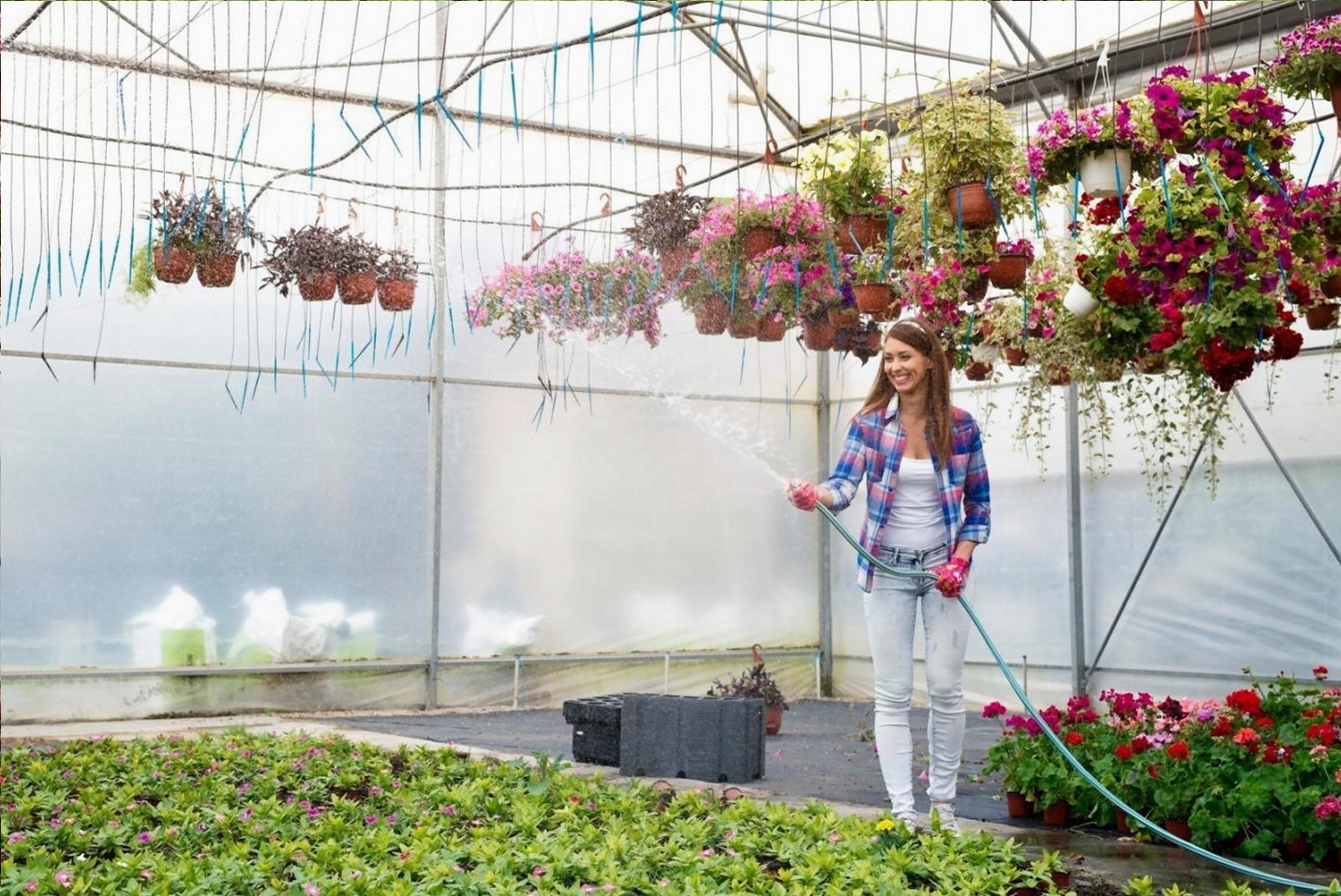
Floristry history learning program visual
Published
455 views
882 likes
Programme Fee $485 AUD
01st

Programme Structure

Course Structure

  • Module 1: Egyptian Floral Practices

    Lotus symbolism in religious contexts, funeral arrangements from tomb paintings, seasonal flower cultivation along the Nile, preservation methods documented in papyri

  • Module 2: Greek Garland Artistry

    Wreath construction techniques, flowers in mythology and literature, symposium decorations, athletic victory crowns, regional variations across city-states

  • Module 3: Roman Floristry Innovation

    Greenhouse technology and forced cultivation, rose breeding programs, festival decorations, Pliny's botanical documentation, commercial flower markets in imperial Rome

  • Module 4: Cross-Cultural Analysis

    Comparing floral symbolism across civilizations, trade routes and flower exchange, preservation in archaeological record, influence on later European traditions

Learning Materials

  • Archaeological evidence from excavations
  • Primary source translations
  • Botanical identification guides
  • Reconstruction projects of ancient arrangements
Assessment Methods

Research essay on specific ancient floral practice, presentation comparing two civilizations, practical reconstruction of historical arrangement based on primary sources

Overview

Flowers held profound significance in ancient societies, far beyond simple decoration. Egyptian priests used lotus blooms in temple rituals as early as 2800 BCE, while hieroglyphics documented specific arrangements for funeral rites and pharaonic celebrations.

The Greeks developed garland-making into a respected craft. Skilled artisans created elaborate head wreaths for athletic victors, theatrical performances, and symposiums. Different flowers conveyed distinct meanings: roses for Aphrodite, laurel for Apollo, olive branches for Athena. These weren't random choices but carefully preserved traditions passed through generations.

Roman floristry reached unprecedented sophistication. Wealthy families employed dedicated servants who studied seasonal blooms and preservation techniques. Pliny the Elder documented over 30 flower varieties in his Natural History, noting their cultivation methods and symbolic associations. Roses became so prized that Roman engineers built heated greenhouses to produce winter blooms for Saturnalia festivals.

The violet held special status across Mediterranean cultures. Romans scattered them on graves during Parentalia, while Greek poets wrote extensively about their delicate scent. This small flower appears in countless mosaics, frescoes, and literary works spanning eight centuries.

Understanding these ancient practices reveals how deeply flowers were woven into social fabric. They weren't mere ornaments but essential elements of religious observance, political ceremony, and personal identity in the classical world.

Enquire About This Programme