Primary sources first
We work directly with historical texts, photographs, and preserved arrangements rather than relying on secondary interpretations. Each workshop includes examination of original materials when available.

Hands-on floristry workshops exploring the evolution of flower arrangement across cultures and centuries
Floral traditions span centuries, yet contemporary training often overlooks the historical context that shaped modern arrangements and techniques.
We document and teach the evolution of floristry from Victorian bouquets to contemporary installations, connecting historical methods with current practice. Since 2016, our workshops have helped participants understand how cultural shifts influenced floral design across different periods and regions.
Floristry education typically focuses on current trends without examining the historical techniques that created them. We started collecting archival materials and interviewing practitioners to build a comprehensive timeline.
Our research revealed that many traditional methods were more efficient than modern alternatives but had been forgotten. We structured workshops around specific historical periods, allowing participants to recreate arrangements using period-accurate tools and materials. This approach clarified why certain design principles persist while others disappeared.
We work directly with historical texts, photographs, and preserved arrangements rather than relying on secondary interpretations. Each workshop includes examination of original materials when available.
Participants recreate historical arrangements using period techniques and available materials. This practical work reveals why certain methods developed and how they adapted to changing flower availability.
Floral design reflects broader cultural values and practical constraints. We examine how economic conditions, social customs, and technological changes influenced arrangement styles across different regions.
We maintain detailed records of techniques, tool variations, and regional differences. This ongoing archive helps preserve methods that might otherwise be lost as practitioners retire.
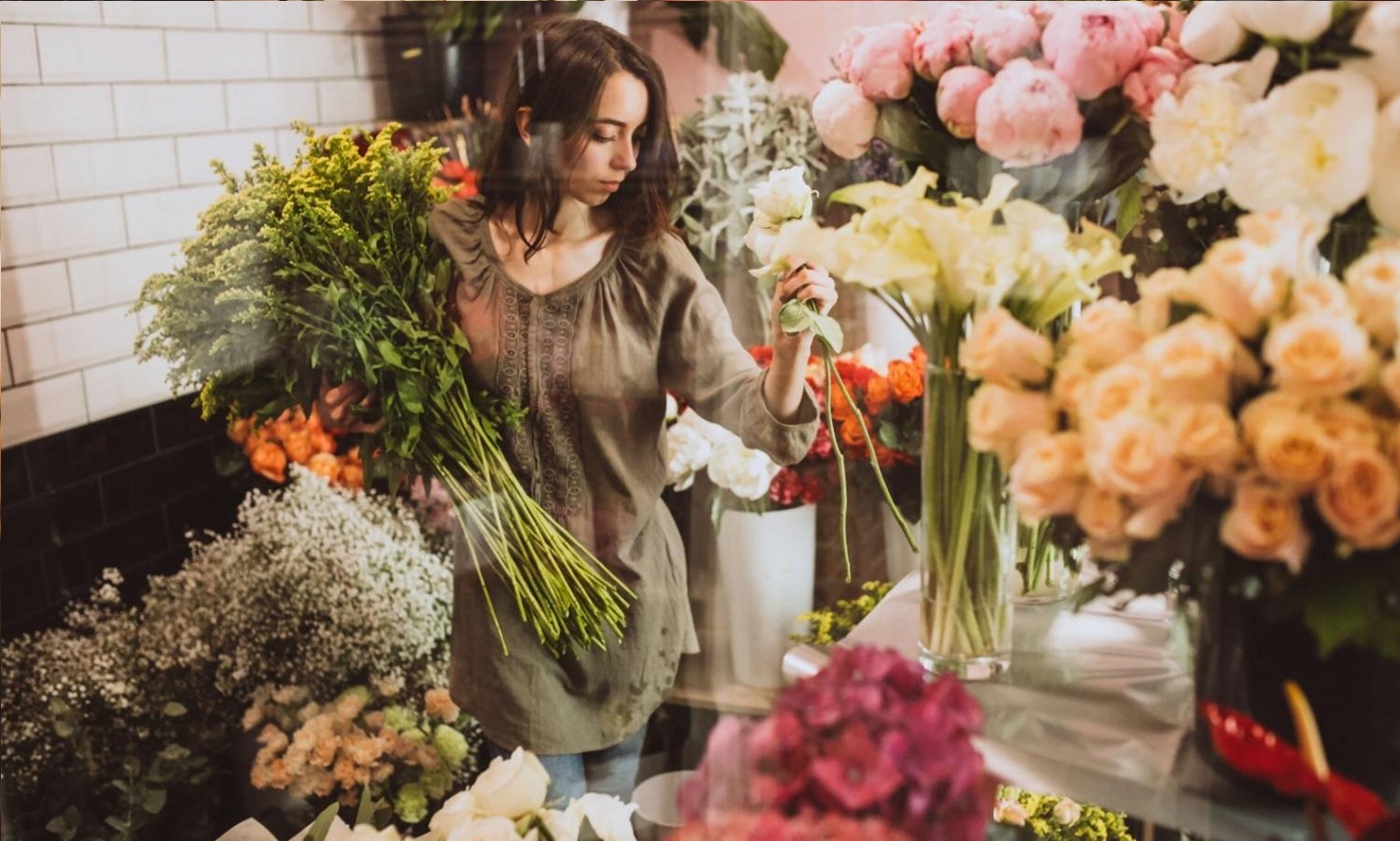
Historical Research
Catalogues floral design publications from 1850 onwards, tracking how arrangement styles shifted with social changes. Maintains connections with botanical archives across three continents.
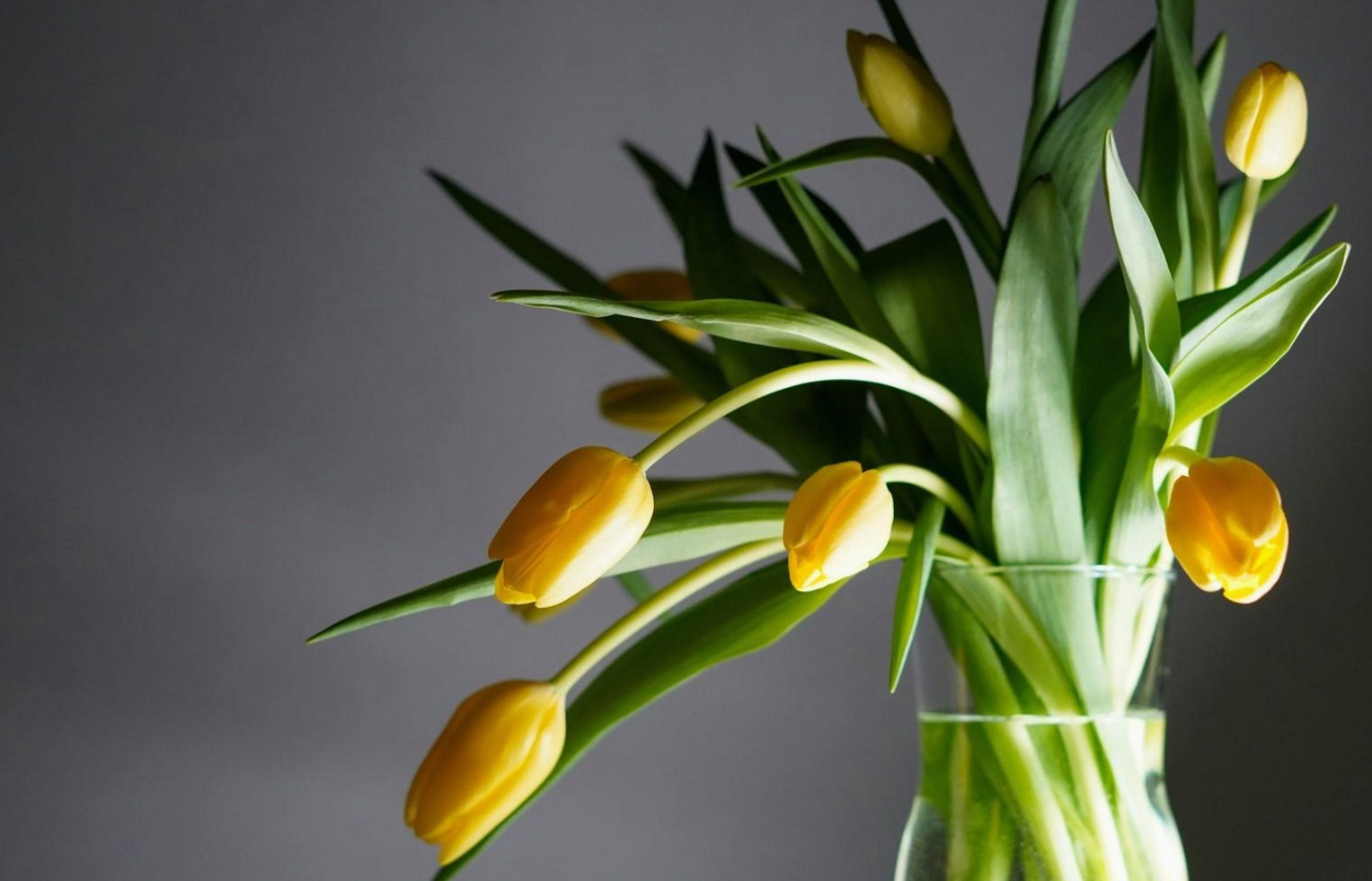
Workshop Coordination
Designs workshop sequences that progress chronologically through floristry periods. Sources period-appropriate materials and adapts historical techniques for contemporary learning environments.