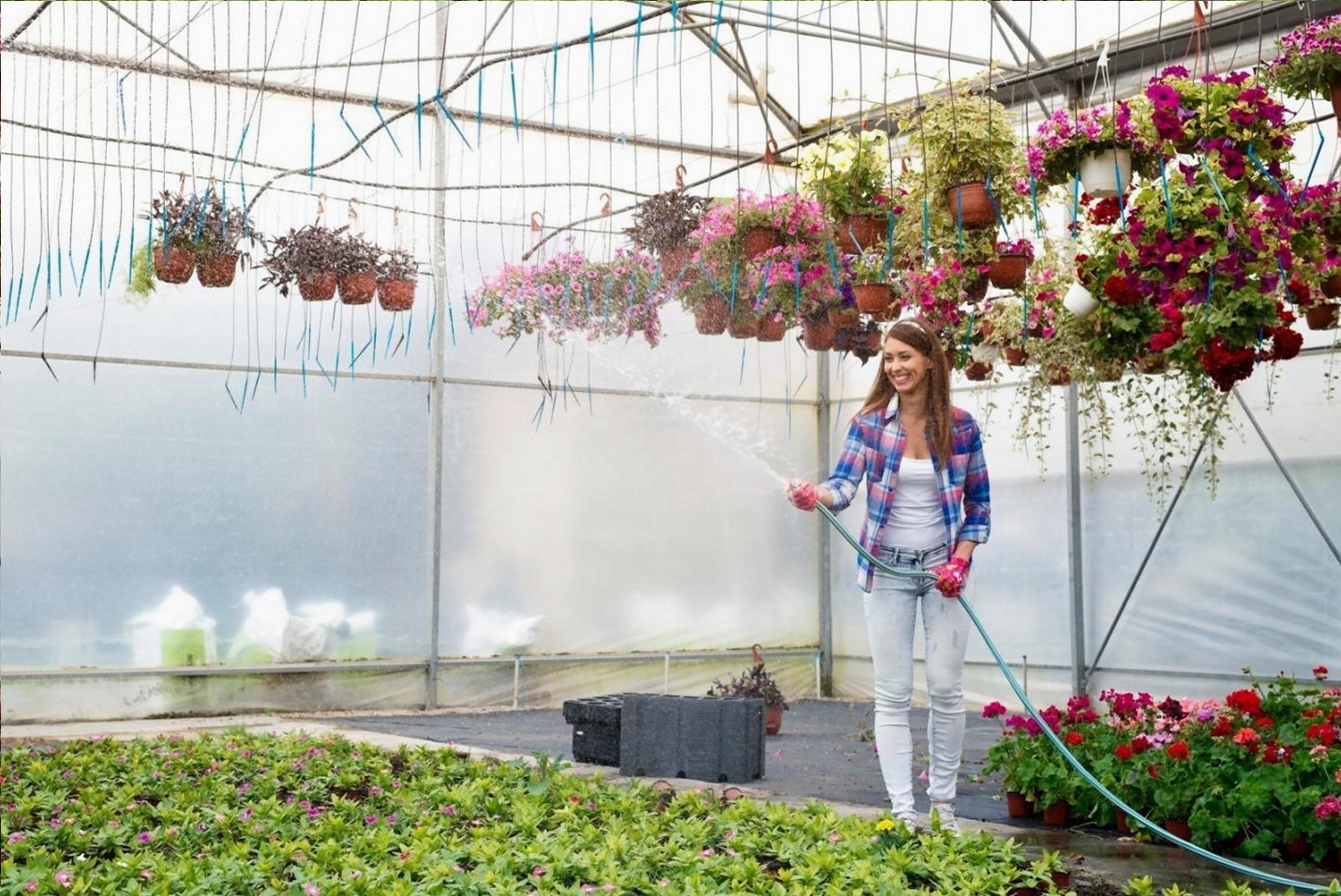
Ancient Floral Traditions: From Egypt to Rome
Trace the origins of floristry through ancient civilizations and discover how flowers shaped religious ceremonies, social hierarchies, and daily life in the classical world.

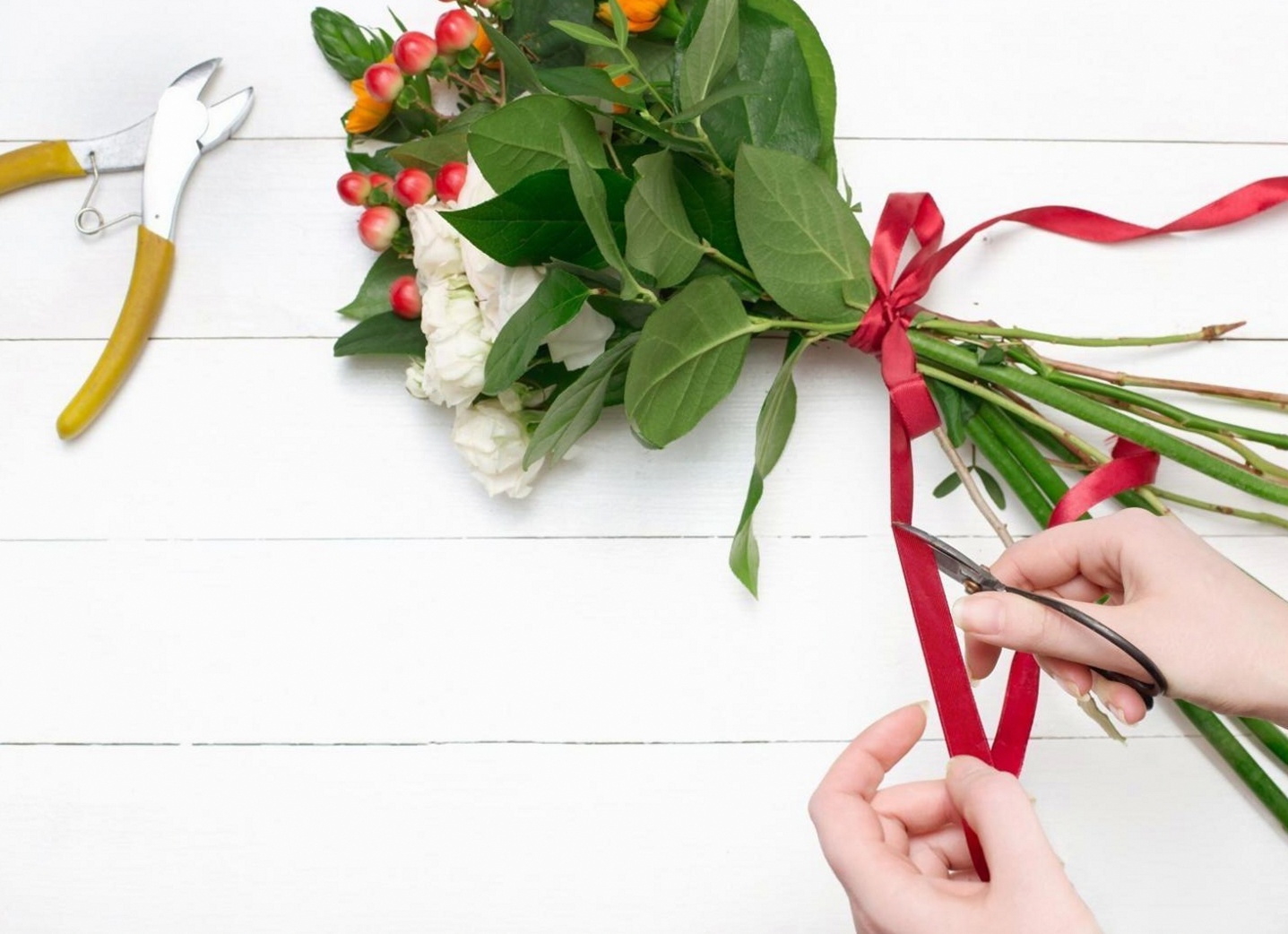
Hands-on floristry workshops exploring the evolution of flower arrangement across cultures and centuries
Trace the evolution of floral design from ancient rituals to contemporary art forms
Trace the origins of floristry through ancient civilizations and discover how flowers shaped religious ceremonies, social hierarchies, and daily life in the classical world.
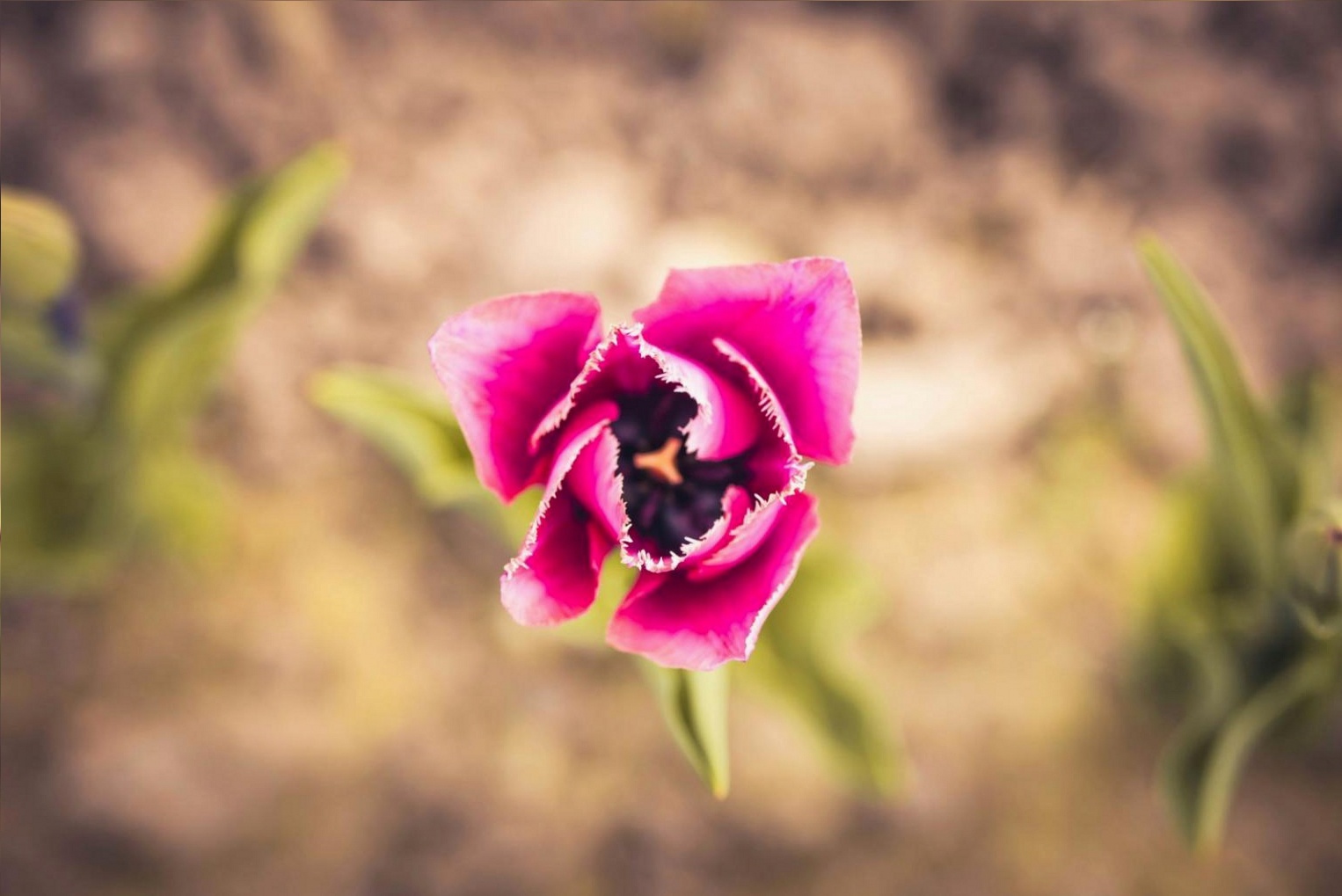
Explore how monastic communities preserved botanical knowledge through the Dark Ages and developed the symbolic flower language that influenced European culture for centuries.
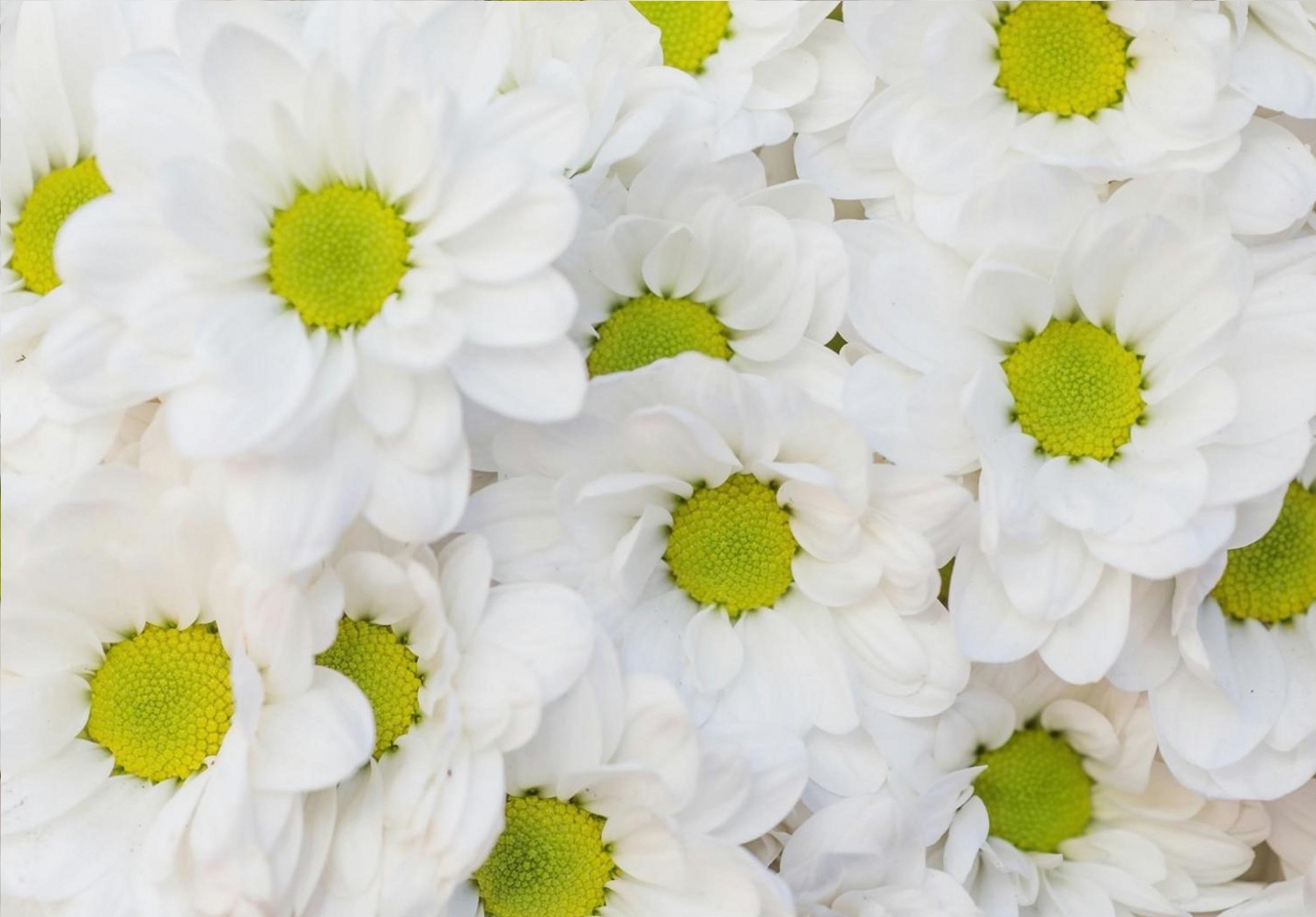
Study the explosion of flower commerce in 17th-century Netherlands and how economic forces transformed floristry into both profitable industry and celebrated art form.
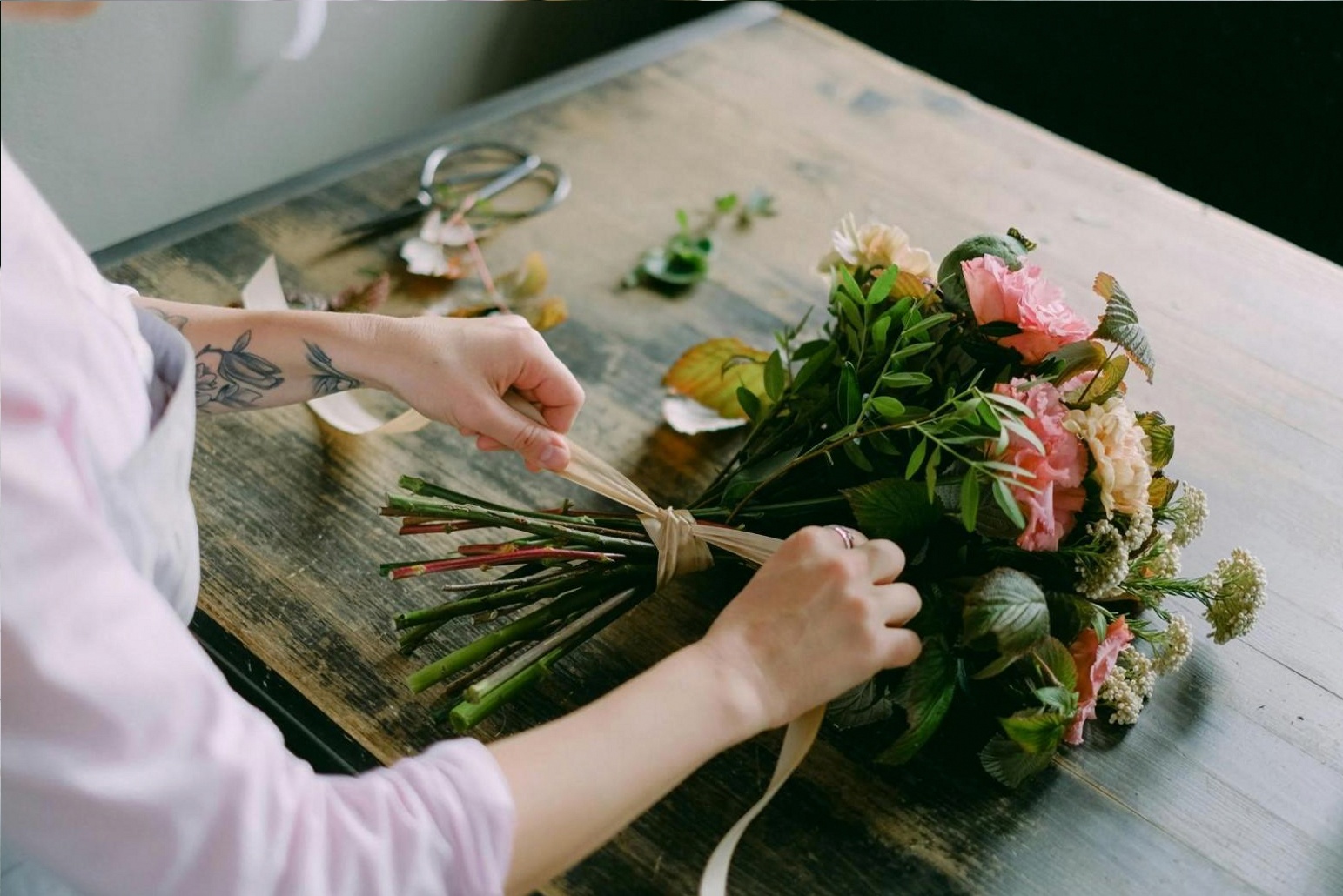
Decode the intricate system of floral symbolism that allowed Victorians to communicate complex emotions and social messages through carefully chosen bouquets.
Programs structure learning around documented practices rather than modern assumptions about historical floristry.
Participants examine original texts, visual records, and preserved arrangements to understand how florists worked within their available resources. Assignments replicate historical conditions where possible, using seasonal materials, period tools, and documented techniques. This method reveals why certain styles emerged and how practical constraints shaped aesthetic choices across different periods.
Historical Periods Covered
Documented Techniques
Practical Assignments