Accessgroove

Hands-on floristry workshops exploring the evolution of flower arrangement across cultures and centuries

Historical Exploration

Understanding Floral Traditions Through Time
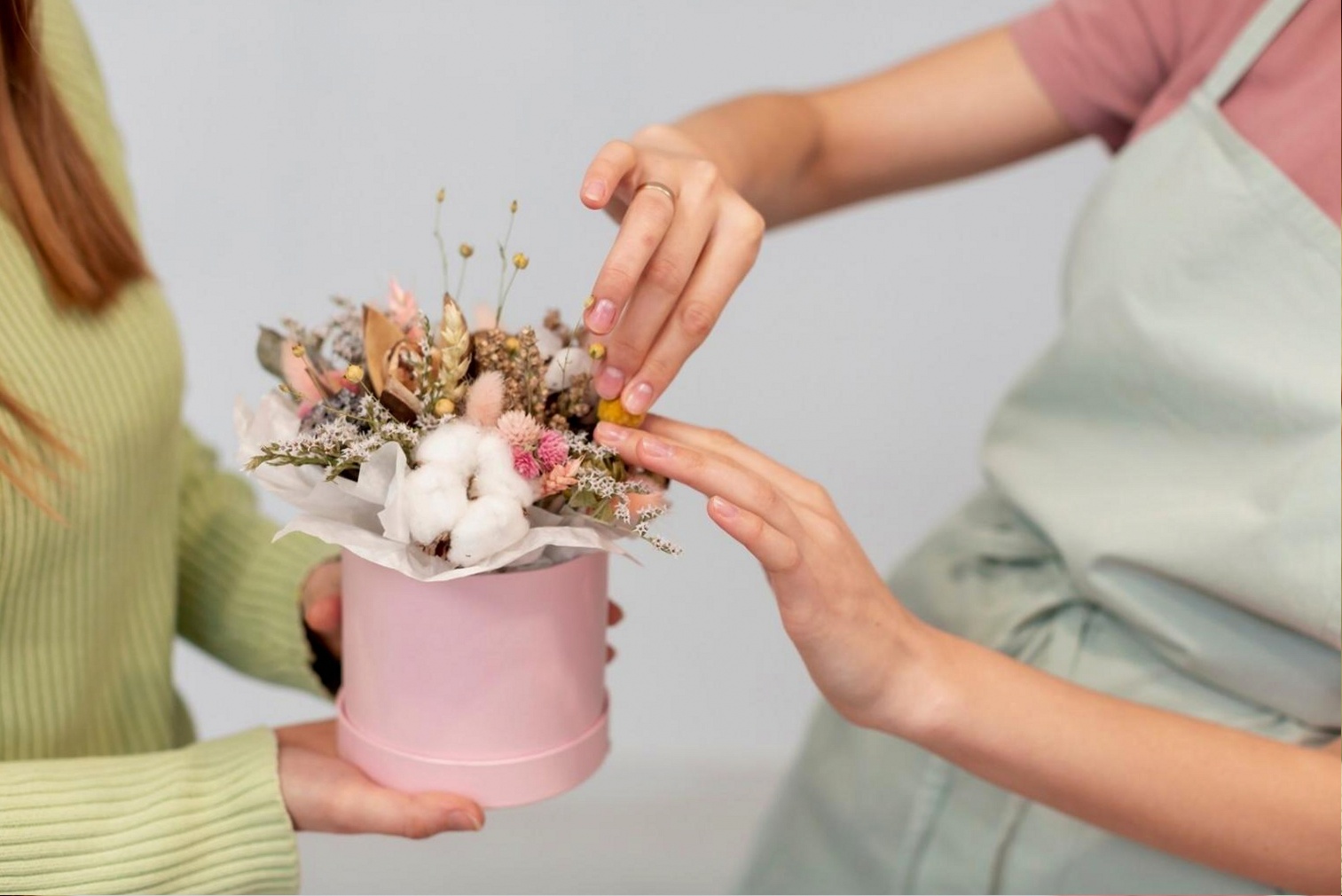
Historical floristry arrangement showcasing traditional techniques and period-accurate flower selection

What shapes floral design across centuries?

Floristry evolved through distinct cultural movements, each bringing unique approaches to arrangement, symbolism, and technique.

The Accessgroove programme examines how floral practices developed from ancient ceremonial use through Victorian language of flowers to contemporary sustainable methods. Participants trace specific techniques back to their origins and understand why certain styles emerged in particular eras.

  • Ancient Egyptian and Greek ceremonial arrangements with symbolic plant choices
  • Medieval monastery gardens and their medicinal-decorative dual purpose
  • Japanese ikebana principles established during the Muromachi period
  • Victorian tussie-mussies and the coded communication through blooms
  • Art Nouveau's organic flowing forms in early twentieth-century Europe

Three approaches to historical floristry study

Survey Track

Broad overview covering major periods and movements without deep technical focus.

  • Eight historical periods examined
  • Cultural context and social influences
  • Visual documentation study
  • Comparative analysis exercises

$285

Research Track

Academic approach for those developing original scholarship or teaching materials.

  • Primary source analysis methods
  • Cross-cultural comparison frameworks
  • Documentation and citation standards
  • Presentation skills development

$395

How does historical knowledge improve contemporary practice?

Understanding why florists in different eras made specific choices helps modern practitioners make intentional decisions rather than following trends without context. The programme connects historical precedent to current sustainability concerns and cultural sensitivity.

  • Recognise which traditional techniques suit specific flower types and occasions
  • Identify symbolic meanings that remain relevant across cultures today
  • Adapt historical colour palettes to contemporary aesthetic preferences
  • Apply preservation methods developed before modern refrigeration
  • Understand seasonal availability patterns that shaped regional styles
  • Trace the evolution of tools and their impact on design possibilities