Accessgroove

Hands-on floristry workshops exploring the evolution of flower arrangement across cultures and centuries

Medieval Monastery Gardens and Ecclesiastical Floristry

Floristry evolved from ancient ceremonial practices into a sophisticated art form that shaped cultural expression across centuries. This program examines how floral design developed through distinct historical periods and geographical contexts.

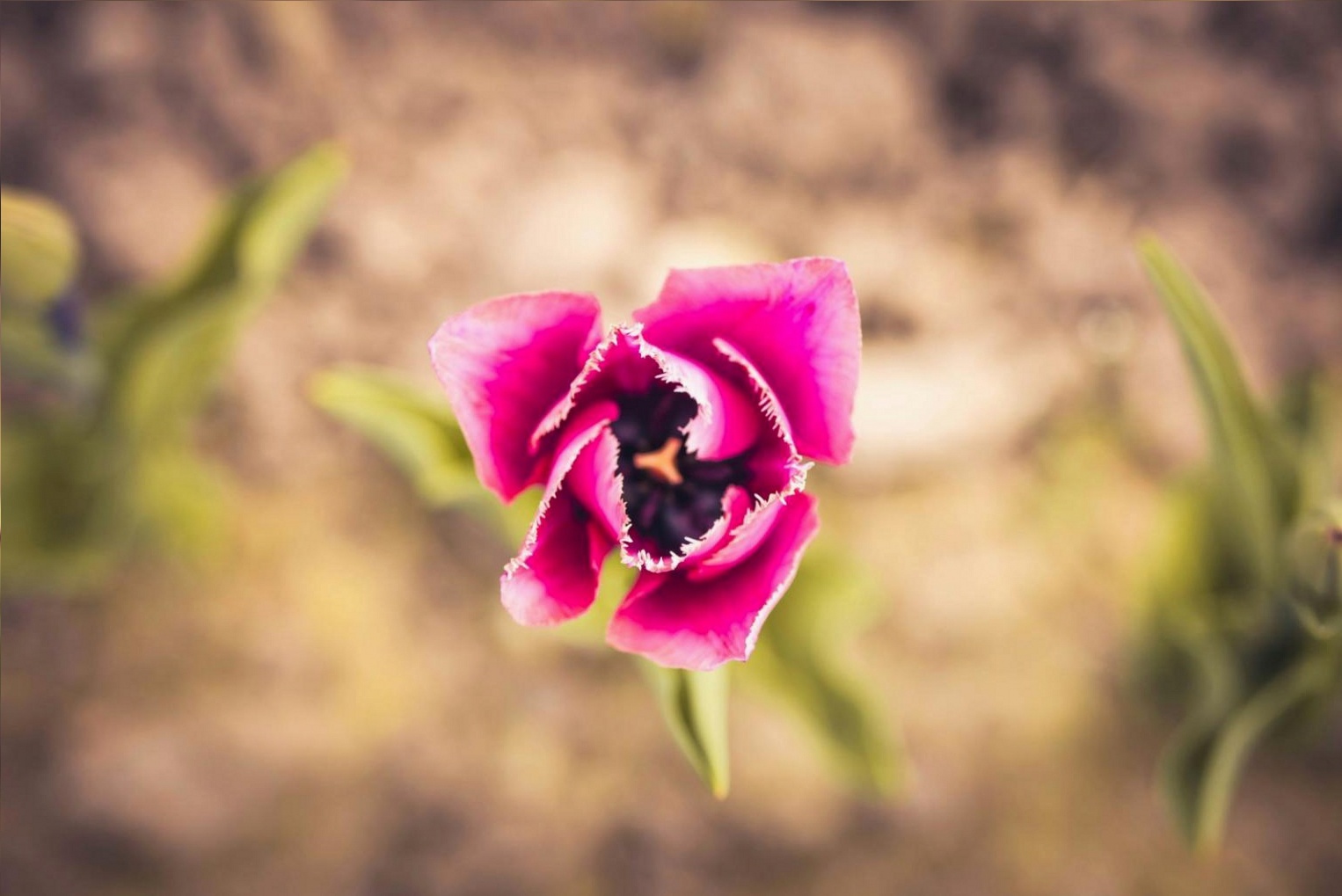
Floristry history learning program visual
Published
714 views
407 likes
Programme Fee $520 AUD
01st

Programme Structure

Program Overview

  • Week 1-2: Monastic Garden Systems

    Layout of medieval physic gardens, plant selection for dual purposes, manuscript illumination as botanical record, preservation of classical texts through copying

  • Week 3-4: Liturgical Flower Symbolism

    Development of Marian flower associations, feast day requirements, color symbolism in church decoration, regional variations in flower choice, connections to biblical interpretation

  • Week 5-6: Cultivation Techniques

    Medieval growing methods, seasonal planning for liturgical calendar, seed preservation, grafting and propagation, climate challenges in northern Europe

  • Week 7-8: Notable Figures and Texts

    Walahfrid Strabo's Hortulus analysis, Hildegard von Bingen's botanical writings, Alexander Neckam's De Naturis Rerum, practical gardening manuals from Cistercian houses

Research Components

  • Manuscript analysis workshops
  • Garden archaeology findings
  • Comparative study of surviving medieval gardens
  • Translation exercises from Latin sources
Final project involves creating documented recreation of specific medieval feast day arrangement

Overview

Monasteries became botanical repositories after Rome's fall. Benedictine monks maintained physic gardens where they cultivated medicinal herbs alongside ornamental flowers, creating detailed manuscripts that preserved classical horticultural knowledge.

The Hortulus, written by Walahfrid Strabo around 840 CE, describes 24 plants grown at Reichenau Abbey. His observations blend practical cultivation advice with theological symbolism. White lilies represented purity and appeared in countless altar arrangements, while red roses symbolized martyrdom. These associations weren't arbitrary but developed through centuries of liturgical practice.

Cathedral gardens served multiple purposes. Canterbury's cloister garden, documented in 1165, supplied flowers for feast day decorations while providing contemplative space for monks. Gardeners followed strict seasonal calendars, timing plantings to ensure blooms for specific holy days. Easter required white flowers; Pentecost demanded red blooms.

Women in convents developed sophisticated arrangement techniques. The Abbess Hildegard von Bingen wrote extensively about flower properties in Physica, combining spiritual interpretation with botanical observation. Her work influenced both medical practice and decorative arts across German territories.

Medieval floristry wasn't about aesthetic pleasure alone. Every flower carried layered meanings understood by educated clergy and literate nobility. A single arrangement could reference biblical passages, saints' lives, and theological concepts simultaneously, creating visual sermons for illiterate congregations.

Enquire About This Programme