Accessgroove

Hands-on floristry workshops exploring the evolution of flower arrangement across cultures and centuries

Victorian Floriography: The Coded Language of Flowers

Floristry evolved from ancient ceremonial practices into a sophisticated art form that shaped cultural expression across centuries. This program examines how floral design developed through distinct historical periods and geographical contexts.

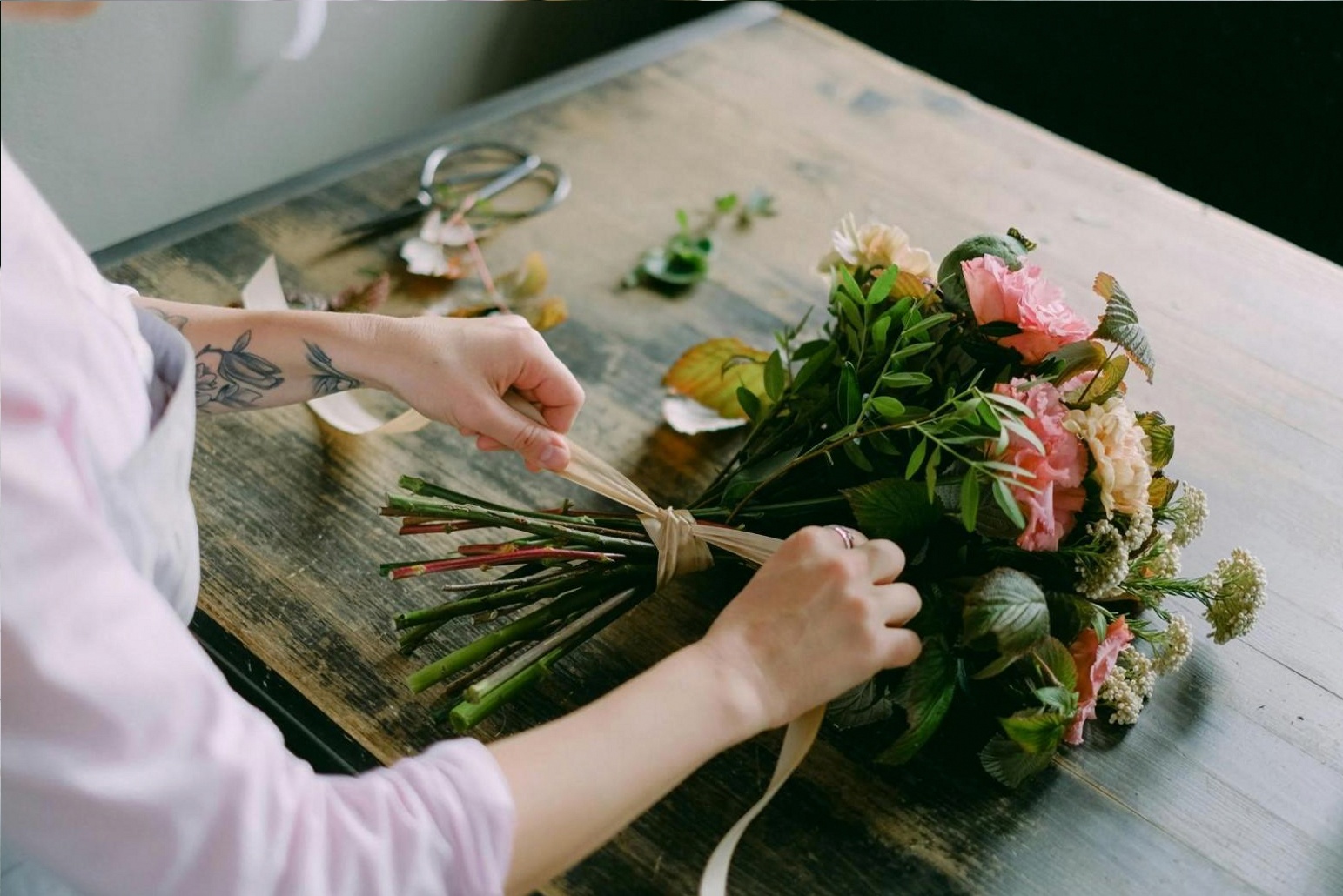
Floristry history learning program visual
Published
330 views
285 likes
Programme Fee $495 AUD
01st

Programme Structure

Course Modules

  • Historical Development

    Turkish selam origins, French romantic literature influence, English adaptation and expansion, publication history of major floriography dictionaries, regional variations across Europe and America

  • Symbolic Systems

    Flower meanings in major reference works, color significance, presentation methods and their meanings, seasonal considerations, combining elements for complex messages

  • Social Context

    Courtship practices and floral communication, mourning customs and appropriate flowers, wedding traditions, class distinctions in flower access, gender roles in floriography

  • Professional Practice

    Florist training in Victorian era, business records from period shops, arrangement techniques for different occasions, preservation of sentiment through pressing and drying

Hands-On Learning

Primary source analysis using original floriography dictionaries
  • Creating historically accurate arrangements with documented meanings
  • Comparing different symbolic systems
  • Examining period photographs and illustrations
  • Writing exercises using floral language
Assessment Options

Research paper on specific aspect of Victorian floriography, presentation analyzing bouquet from period photograph, practical arrangement with documented symbolic meaning

Overview

Victorian society developed floriography into an elaborate communication system. Charlotte de Latour's 1819 book Le Langage des Fleurs sparked widespread interest in England, leading to dozens of competing dictionaries that assigned meanings to hundreds of flowers, herbs, and even specific colors.

The complexity went beyond simple flower selection. Presentation mattered: a flower given upright conveyed positive sentiment, while inverted blooms reversed the meaning. Right-hand presentation differed from left-hand offering. Ribbons, lace, and accompanying foliage added layers of nuance. A single bouquet could express elaborate messages through these combined elements.

Kate Greenaway's 1884 Language of Flowers became the authoritative reference, standardizing meanings that varied wildly between earlier publications. Red roses meant passionate love, yellow roses indicated jealousy or infidelity, and white roses suggested purity. Forget-me-nots requested remembrance, while yellow carnations expressed disappointment.

Professional florists needed extensive knowledge to serve clients properly. Shops kept reference books and trained staff in proper arrangement for different messages. Wedding bouquets required specific flowers; mourning arrangements followed strict conventions. Social missteps through incorrect flower choice could damage reputations.

This practice reflected broader Victorian obsessions with etiquette, coded communication, and botanical science. The language of flowers merged romantic sentiment with botanical classification, creating a uniquely 19th-century phenomenon that influenced floristry practices well into the 20th century.

Enquire About This Programme